
Weight loss guide: how to lose weight safely
Pillar hub · Educational content · Not medical advice
How to lose weight in 5 steps
Find your maintenance calories
Your maintenance calories (TDEE) are what you burn in a normal day, including exercise. Every weight-loss plan starts from this number. Use the TDEE calculator for an estimate, then adjust after two to three weeks of real-world weigh-ins.
Eat in a moderate calorie deficit
A deficit of roughly 300–500 kcal a day, or a pace of about 0.5–1% of body weight per week, is enough for steady fat loss without wrecking energy or training. The calorie deficit calculator turns your goal into a daily target, and our guide on how many calories to eat to lose weight explains the trade-offs.
Eat enough protein at every meal
Protein protects muscle while you diet and helps keep hunger in check. Around 1.6–2.2 g per kg of body weight a day suits most people who train. Work out your number with the protein calculator, then build meals from high-protein Indian foods.
Strength train and walk more
Lifting two to four times a week tells your body to keep muscle, so more of what you lose is fat. Daily steps add a steady calorie burn that is easy to recover from; see does walking help you lose weight and estimate the burn with the steps to calories calculator.
Track progress and adjust
Weigh yourself a few times a week and compare weekly averages, not single days. If the average has not moved for two to three weeks, recheck portions and activity before cutting further. Our guide to why you might not be losing weight covers the common causes.
Deficit plus habits.
Calories, protein, training, and daily movement come together as one plan.
Sustainable fat loss.
Then use calculators to set your starting numbers and build meals.





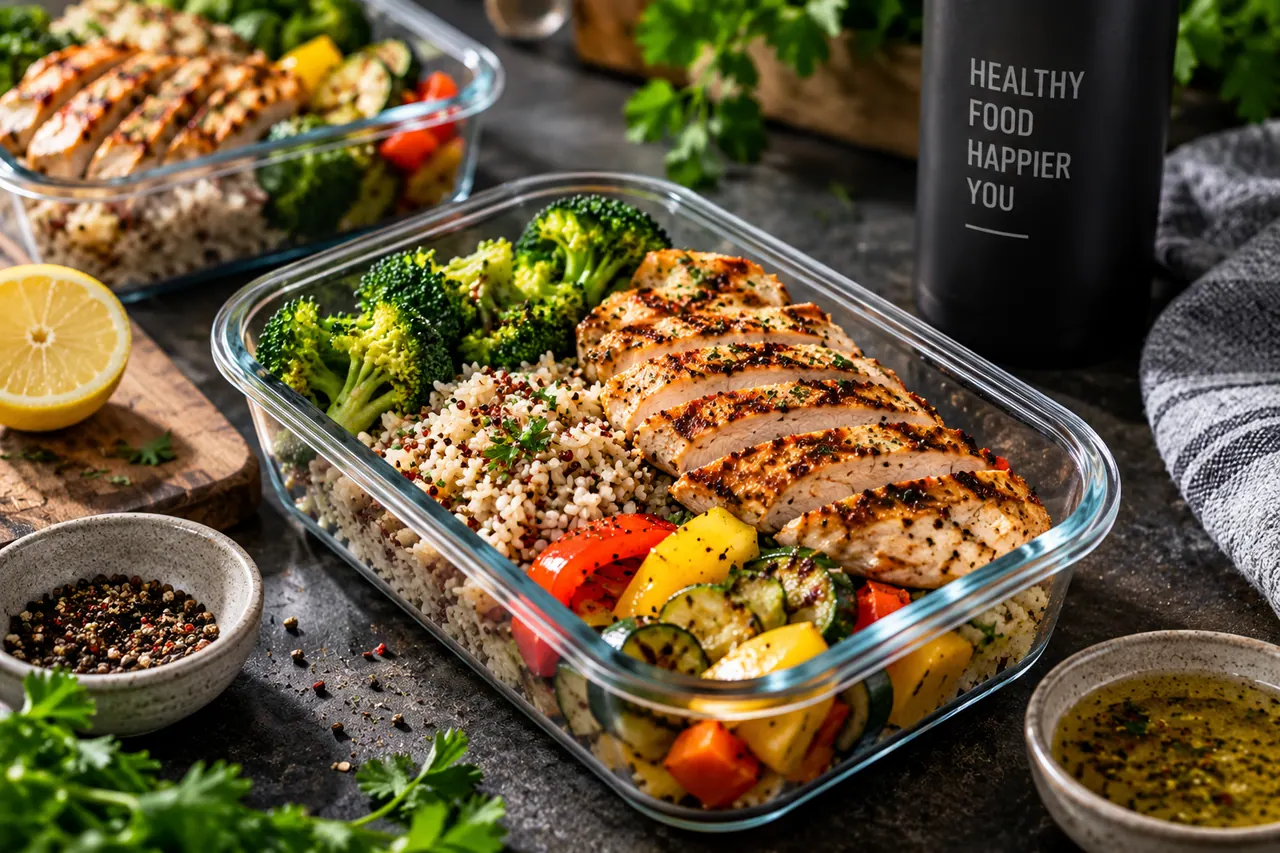

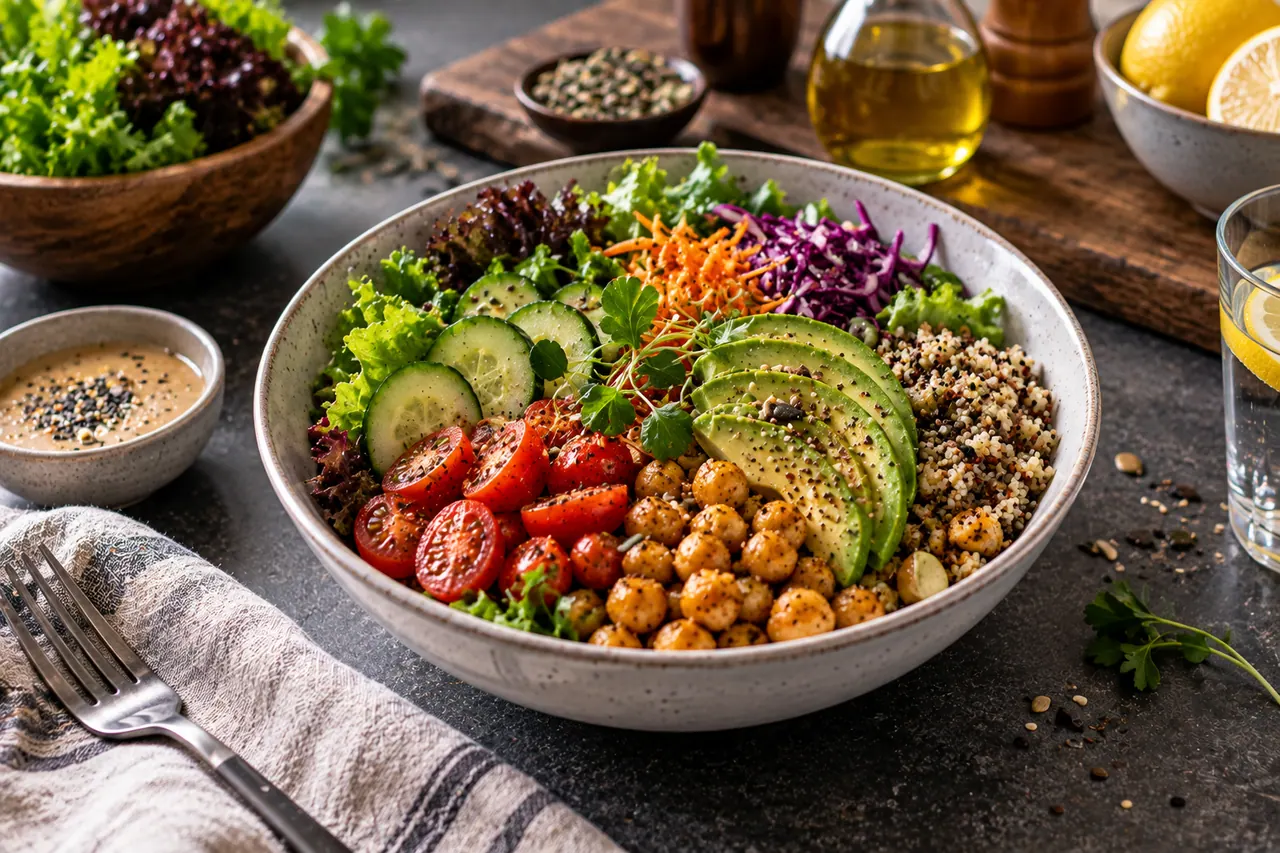
A weight loss diet that works with Indian food
You do not need imported diet foods to lose weight. A typical Indian plate already has the right building blocks: a carb (roti or rice), a protein (dal, paneer, curd, eggs, chicken or fish) and vegetables. Weight loss comes from adjusting the proportions: a bigger protein and vegetable share, a measured carb portion, and less oil and ghee in cooking. To see it on a plate, follow our 7-day Indian diet plan for weight loss.
The biggest hidden calories are usually fried snacks, sweets, sugary tea and coffee, and generous tadka. Rice is not the problem on its own; see rice vs roti for weight loss for a side-by-side comparison, and the best Indian foods for weight loss for filling, lower-calorie swaps. Look up exact numbers in our Indian food calorie database.
Belly fat goes when overall body fat goes; no food or exercise burns it from one spot. Our guide on how to lose belly fat explains what actually works, and does intermittent fasting work covers whether eating windows help.
All weight loss guides
Every fitlives weight loss article, grouped by topic. Start with the calorie deficit guides if you are new, then pick the topic that matches your question.
Core pillars
Weight loss FAQs
Quick answers from this guide. Educational information only — not medical advice.
Estimate your maintenance calories (TDEE), eat about 300–500 kcal a day below it, get enough protein, strength train two to four times a week and walk more. Aim to lose roughly 0.5–1% of your body weight per week; extreme restriction is harder to sustain and costs more muscle.
For most adults, about 0.5–1 kg per week is a realistic, sustainable pace once the first week of water loss has passed. People with more weight to lose can lose faster at first; leaner people should aim for the lower end to protect muscle.
Cardio can help increase energy expenditure and support heart health, but the calorie deficit is what drives fat loss. Strength training helps you keep muscle while dieting, and daily walking is the easiest way to raise activity.
Yes. Dal, roti, rice, sabzi, curd, paneer, eggs and chicken all fit a weight-loss diet. The levers are portion sizes, cooking oil and ghee, fried snacks and sugary drinks, and adding a protein source to every meal.
Plateaus usually come from under-counted calories, less daily movement (NEAT), water retention, or a target that is no longer accurate after losing weight. Recheck your intake and TDEE before cutting calories drastically.
Still have a question? Contact us.
Educational information only. If you have a medical condition, are pregnant, or take medication, talk to a doctor or registered dietitian before changing your diet. See our medical disclaimer.