




How to use the exercise library
Each muscle-group page explains how to train that area and lists its exercises. Every exercise guide covers what it trains, how to set up, how to perform each rep, breathing, variations for different equipment and levels, how many sets and reps to do, how to progress, and safety notes. Use the guides to learn technique, then follow a training program so you know which exercises to do and when.
Compound vs isolation exercises
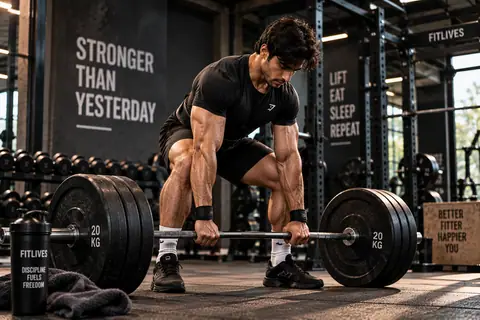
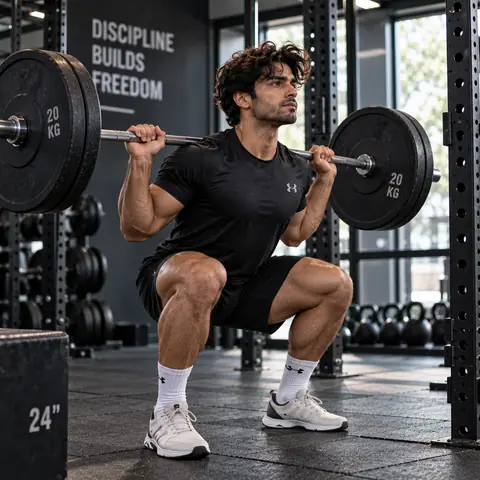
Compound exercises — squats, deadlifts, presses, rows and pull-ups — work several muscles and joints at once. They build the most strength and muscle per minute and should come first in a session. Isolation exercises — curls, raises, leg extensions — target one muscle. They're useful for adding volume to specific areas once the compound lifts are covered.
A balanced starting point
| Movement | Gym option | Home option |
|---|---|---|
| Squat | Back squat | Bulgarian split squat |
| Hinge | Romanian deadlift | Backpack Romanian deadlift |
| Push | Bench press | Push-ups |
| Pull | Lat pulldown | Pull-ups |
| Core | Pallof press | Dead bug |
| Cardio | Incline walk | Jump rope |
One exercise from each row, done for 2–3 sets two or three times a week, makes a complete beginner routine. Add weight or reps gradually — see the training fundamentals for how much to train and how to progress.
Choosing the right exercises for you
- Pick variations that feel good on your joints. There is no single best exercise; several options train each muscle well.
- Match your equipment. Every guide lists dumbbell, machine or bodyweight alternatives.
- Keep the same exercises for several weeks so you can measure progress and keep adding load.
- Stop if you feel sharp pain and see a qualified professional if it continues.