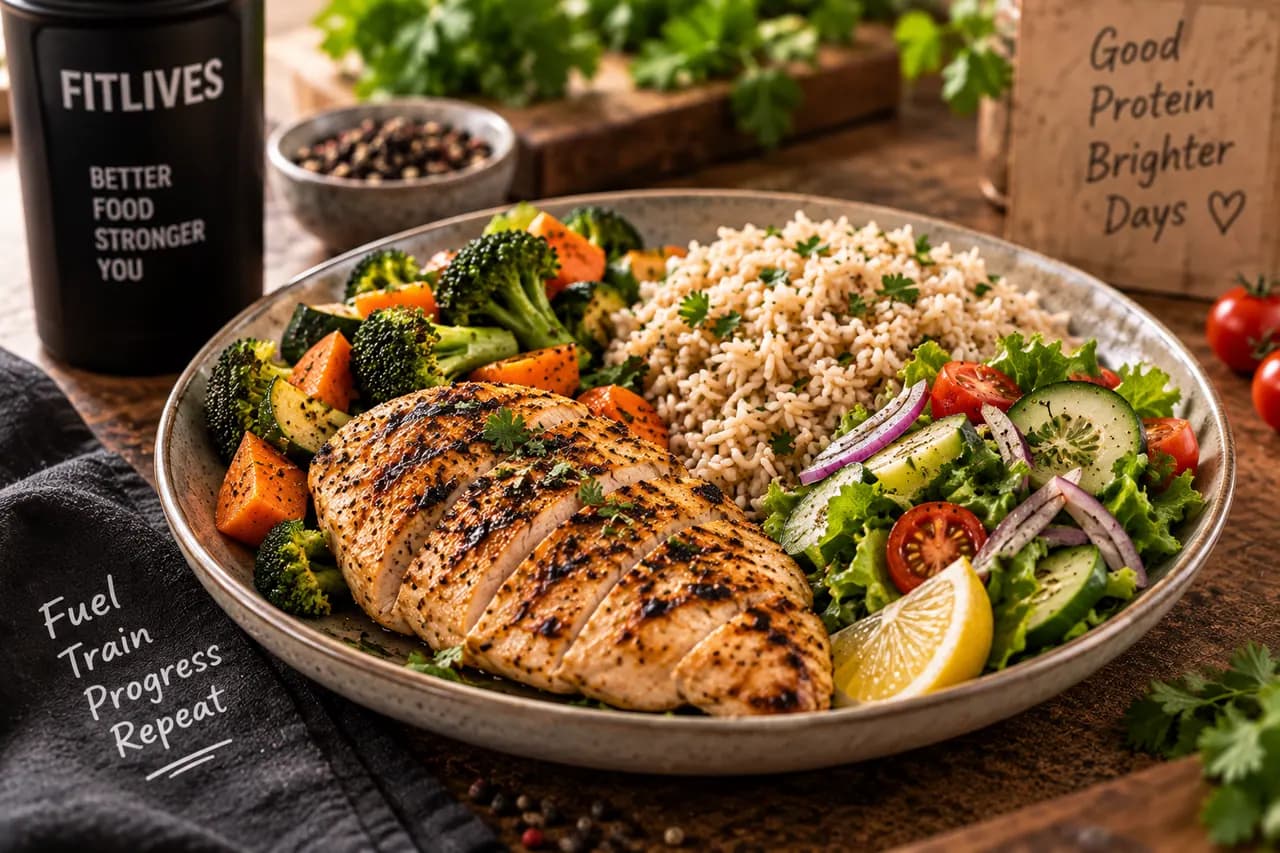
Most Indian breakfasts — poha, upma, idli, paratha, bread-butter — are built on carbohydrates and give 5–10 g of protein. That leaves a lot to catch up on later. Moving 15–20 g of protein into breakfast keeps you fuller through the morning and makes your daily target far easier to hit.
10 high-protein vegetarian breakfasts
Approximate values per serving, from IFCT 2017 for Indian staples and pack labels for oats, soya and besan. Oil is included where listed.
| Breakfast | Serving | Calories | Protein |
|---|---|---|---|
| Moong dal chilla stuffed with paneer | 2 chillas (50 g dry dal) + 50 g paneer, 1 tsp oil | ≈ 335 kcal | ≈ 21 g |
| Paneer bhurji with roti | 100 g paneer, 1 tsp oil, 2 rotis | ≈ 495 kcal | ≈ 25 g |
| Soya chunk upma or poha | 30 g dry soya + 40 g suji or poha, 1 tsp oil | ≈ 285 kcal | ≈ 20 g |
| Overnight oats | 40 g oats, 150 ml milk, 100 g hung curd, 1 tsp chia | ≈ 390 kcal | ≈ 20 g |
| Besan chilla with curd | 2 chillas (50 g besan), 1 tsp oil, 150 g curd | ≈ 330 kcal | ≈ 16 g |
| Sprouts chaat + curd | Sprouts from 40 g dry moong, onion, tomato, 150 g curd | ≈ 240 kcal | ≈ 14 g |
| Tofu bhurji with toast | 150 g firm tofu, 1 tsp oil, 2 slices whole-wheat toast | ≈ 400 kcal | ≈ 31 g |
| Upgraded poha | 50 g poha, 15 g peanuts, 1 tsp oil + 150 g curd | ≈ 390 kcal | ≈ 12 g |
| Idli with sambar and curd | 3 idlis, 1 katori sambar, 150 g curd | ≈ 385 kcal | ≈ 15 g |
| Milk + dry fruit + fruit | 300 ml milk, 20 g almonds, 1 banana | ≈ 445 kcal | ≈ 15 g |
Values for paneer, moong dal, poha and milk link to their nutrition pages. See soya chunks protein and paneer vs tofu for those two in detail.
How to add protein to the breakfasts you already eat
| Breakfast | Add | Extra protein |
|---|---|---|
| Poha | 15 g peanuts + ½ katori sprouts + side of curd | + 8–10 g |
| Upma | 20 g soya granules cooked in, or paneer cubes | + 8–10 g |
| Idli or dosa | Thick sambar (more dal) + a katori of curd | + 6–8 g |
| Paratha | Paneer or sattu stuffing, curd on the side | + 8–12 g |
| Bread toast | Paneer or tofu bhurji topping, glass of milk | + 12–18 g |
| Chai and biscuits | Swap for a glass of milk and a handful of roasted chana | + 10 g |
Quick weekday options (under 10 minutes)
- Overnight oats made the night before.
- Hung curd or Greek yogurt with fruit and a spoon of seeds.
- Leftover dal turned into a quick chilla or paratha.
- Roasted chana and a glass of milk on the go.
- Sprouts chaat from pre-soaked moong.
Why breakfast protein matters
Protein is the most filling macronutrient, so a 20–30 g breakfast reduces mid-morning snacking. For muscle, spreading protein across meals works better than eating most of it at night. Your daily total still matters most — see how much protein you need per day, or protein for weight loss if you are cutting.
Watching calories too? The best breakfasts for weight loss focuses on lower-calorie options, and oats vs poha compares the two most common choices.
Next step: Find your daily target and per-meal split with the protein calculator.
Explore the guide: Targets by goal, the best Indian protein foods and every protein article are in the protein guide. Compare any food in the Indian food calories and protein chart.
Key takeaways
- Aim for 20–30 g protein at breakfast.
- Paneer, moong dal, soya, tofu, hung curd and milk are the easiest vegetarian boosters.
- Plain poha, upma or idli give under 10 g; add curd, sprouts, peanuts or paneer.
- Prepare overnight oats or soaked moong for fast weekday breakfasts.
This is educational information, not medical advice. Consult a qualified professional for personal health decisions.