
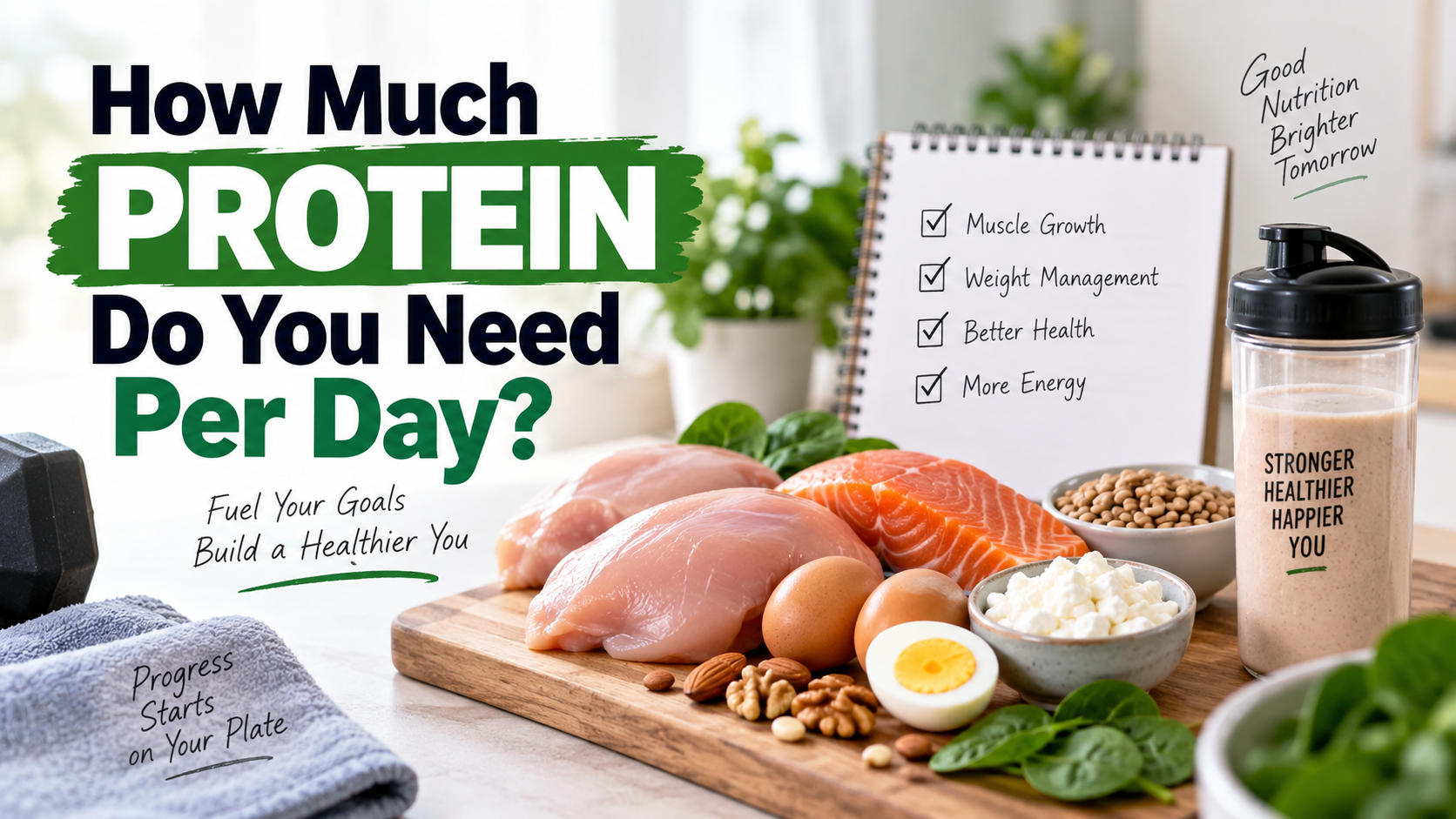

After fifteen-plus years of coaching people who train before office, after school, or between shifts, the protein question comes up almost every week. People either under-eat it all day and “make up” at night, or they fear protein will somehow damage them. The truth sits in the middle: hit a sensible daily target, distribute it, and keep the rest of your diet enjoyable.
“How much protein per day” is not one number for India or the world. It depends on your body size, how hard you train, and whether you are trying to lose fat, maintain, or build muscle.
Start with body weight, not Instagram myths
A useful way to set a target is grams per kilogram of body weight:
| Goal | Typical range | Example for 70 kg |
|---|---|---|
| General health / light activity | 0.8–1.2 g/kg | 56–84 g |
| Fat loss while lifting | 1.6–2.2 g/kg | 112–154 g |
| Muscle gain / hard training | 1.6–2.2 g/kg | 112–154 g |
| Very lean / high volume | Up to ~2.3–2.5 g/kg | Use only if needed |
If you carry a lot of body fat, some coaches prefer using an estimated lean mass for the multiplier so the target is not inflated. If that feels confusing, start with total body weight at the lower end of the range and adjust with progress photos and strength — not scale panic.
Next step: Get a personalized gram estimate with our Protein calculator.
Why distribution matters more than one giant shake
Your body can use protein from a large meal, but muscle protein synthesis responds well to repeated pulses across the day. Aim for roughly 25–40 g of protein in most meals if you are an adult training regularly. That often looks like eggs or chilla at breakfast, dal + curd or chicken at lunch, and paneer, fish, or legumes at dinner.
If you currently eat almost no protein until 9 p.m., fix that first. Moving 30 g into breakfast alone changes how satiated and recovered many clients feel within two weeks.
Indian plates that actually add up
- 2 eggs + 1 roti + vegetables ≈ solid breakfast protein start
- 1 cup cooked dal + curd + salad at lunch
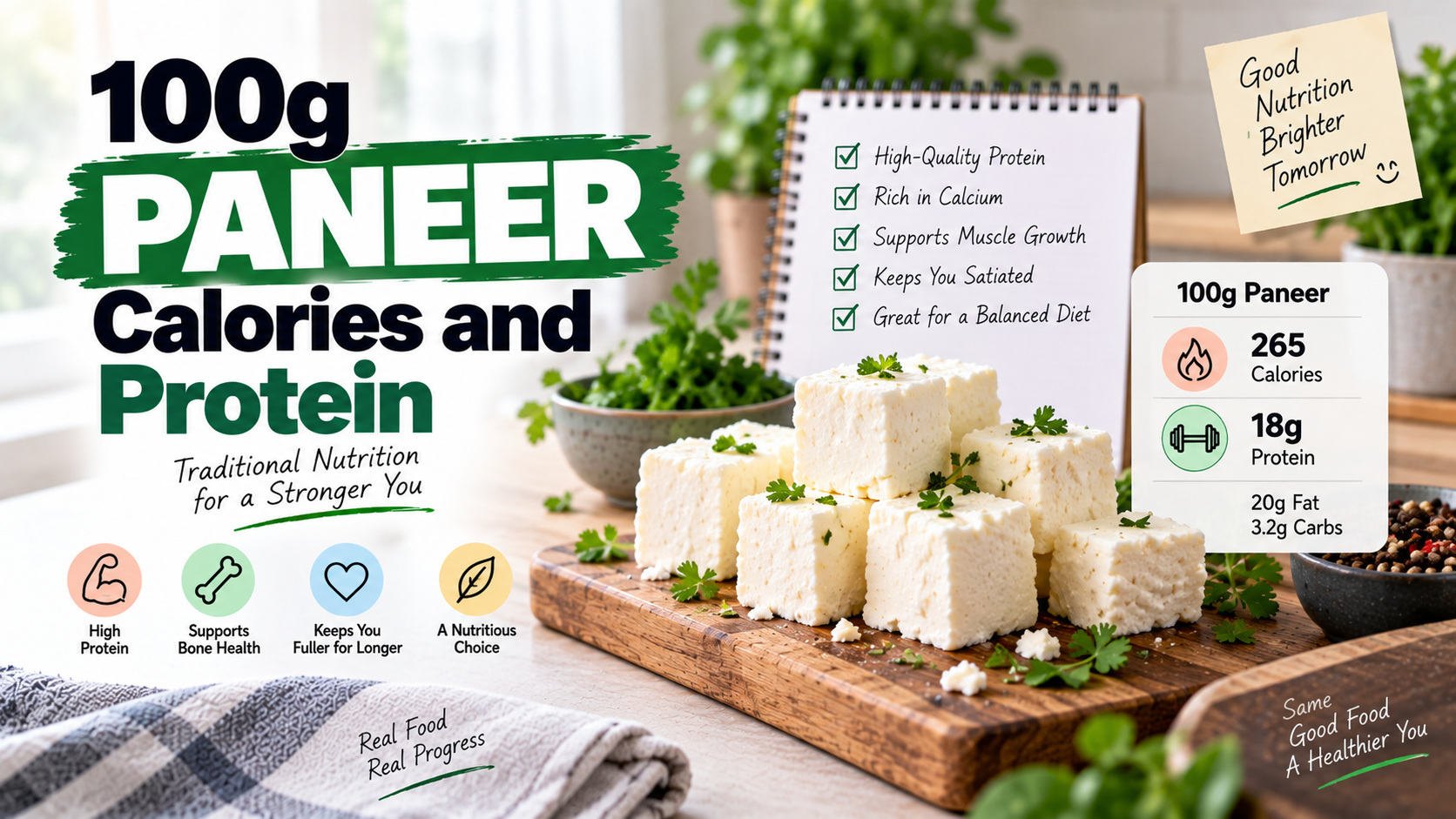
- 100–150 g paneer or chicken at dinner
- Sprouts chaat or Greek-style hung curd as snacks
You do not need imported “fitfluencer” groceries. You need consistency. Paneer, dals, eggs, fish, chicken, soy chunks, and dairy already cover most Indian kitchens.
Special cases (keep it practical)
Fat loss
Higher protein helps preserve muscle in a calorie deficit and improves fullness. Pair it with a modest deficit — see our guides on calorie targets — and keep lifting.
Muscle gain
Protein without progressive training is just expensive amino acids. Lift, sleep, and eat enough total calories. Protein sits on top of that foundation.
Kidneys and “too much protein”
For healthy adults, higher protein intakes used in sports nutrition research are generally well tolerated. If you have diagnosed kidney disease or other medical conditions, get individual advice from a clinician before pushing high intakes. Educational content is not a prescription.
Key takeaways
- Use g/kg ranges, not random scoop counts.
- 1.6–2.2 g/kg covers most lifters in fat loss or muscle phases.
- Spread protein across the day; fix breakfast first.
- Indian staples can hit targets without living on supplements.
Related reading: Protein hub, high-protein Indian foods, and protein for muscle. This is educational information, not medical advice. Consult a qualified professional for personal health decisions.