Few fitness questions cause more anxiety than protein timing. Do you have to drink a shake within 30 minutes of your last set, or is a pre-workout meal better? The short answer: much less depends on timing than the internet suggests. Here's what the research shows and how to set up your meals around training.
What the research shows
- Total daily protein is what matters most. A meta-analysis of timing studies found that the apparent benefit of eating protein close to training disappeared once total daily protein was accounted for.
- Before and after work equally well. In a 10-week trial, lifters who took 25 g of protein right before training gained the same muscle and strength as those who took it right after.
- Spreading protein helps a little. Four feedings of about 20 g spread across the day produced more muscle protein synthesis than the same protein in two large or eight small doses.
So the order of priorities is: hit your daily target (about 1.6 g per kg for muscle gain — see how much protein to build muscle), spread it over 3–5 meals, and only then worry about timing.
How big is the “anabolic window”?
Much bigger than 30 minutes. Protein from a meal eaten 1–3 hours before training is still being digested and absorbed during and after your workout. Muscles stay more sensitive to protein for at least 24 hours after a session. In practice, if your pre- and post-workout meals are no more than about 4–6 hours apart, you have the window covered.
When timing does matter
| Your situation | What to do |
|---|---|
| Ate a meal 1–3 hours before training | Eat your next protein meal within a couple of hours after — no rush |
| Train fasted early in the morning | Have 20–40 g protein soon after training |
| Train in the evening | Make dinner your post-workout meal; consider protein before bed |
| Two sessions in one day | Have protein and carbs between sessions |
| Aged 60+ | Aim for about 0.4 g per kg per meal — older muscles need a bigger dose |
How much protein per meal?
About 0.3–0.4 g per kg of body weight per meal, three to five times a day:
| Body weight | Per meal | Daily target (1.6 g/kg) |
|---|---|---|
| 60 kg | 18–24 g | ≈ 96 g |
| 70 kg | 21–28 g | ≈ 112 g |
| 80 kg | 24–32 g | ≈ 128 g |
| 90 kg | 27–36 g | ≈ 144 g |
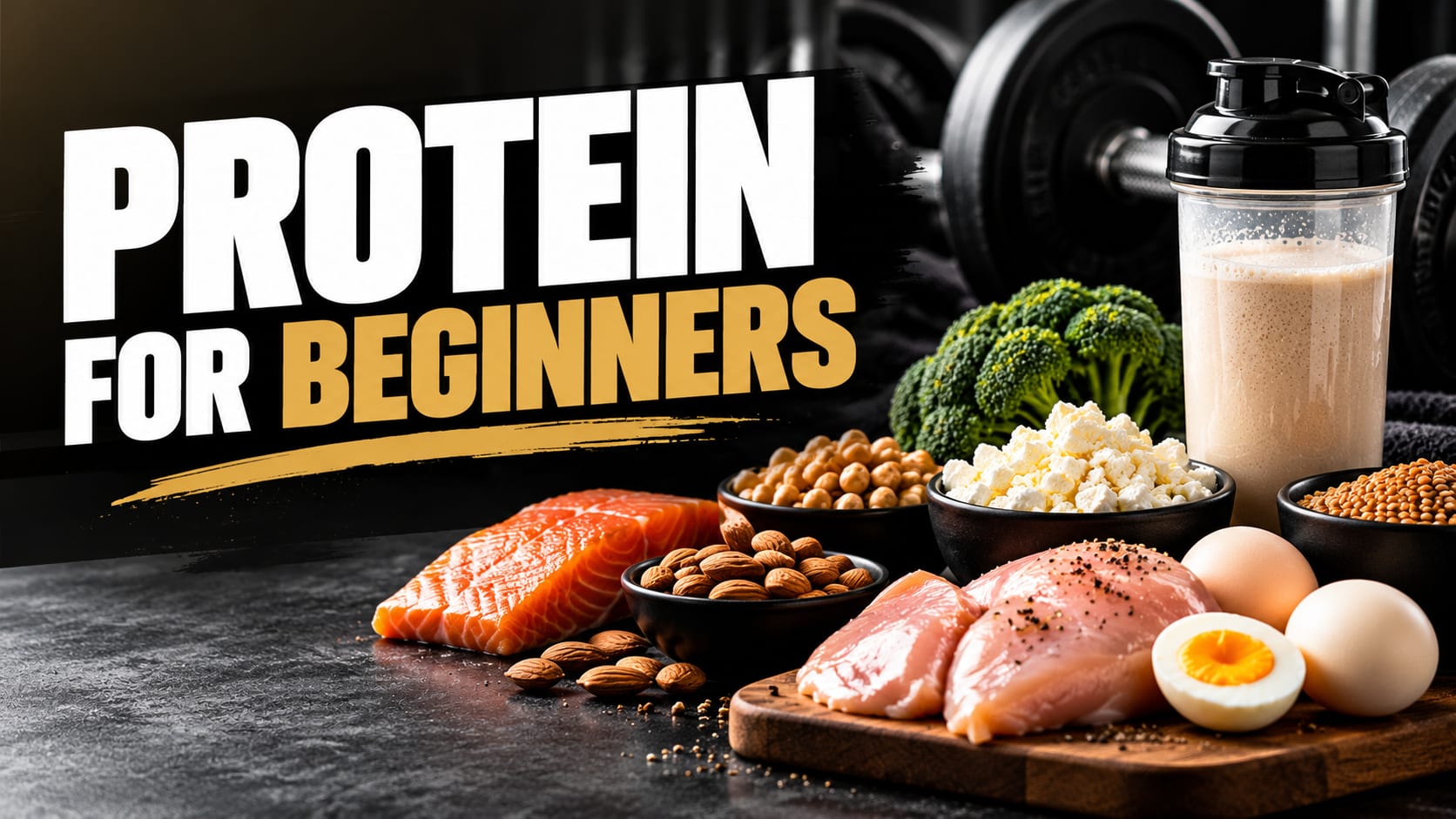
New to tracking? Start with protein for beginners, or get your exact daily number from the protein calculator.
Indian pre- and post-workout meal ideas
Values from IFCT 2017 and typical labels:
| Meal | Protein | Calories |
|---|---|---|
| 2-egg omelette + 2 rotis | ≈ 24 g | ≈ 380 kcal |
| 100 g paneer bhurji (1 tsp oil) + 2 rotis | ≈ 25 g | ≈ 495 kcal |
| 100 g chicken breast curry + 1 katori rice | ≈ 26 g | ≈ 390 kcal |
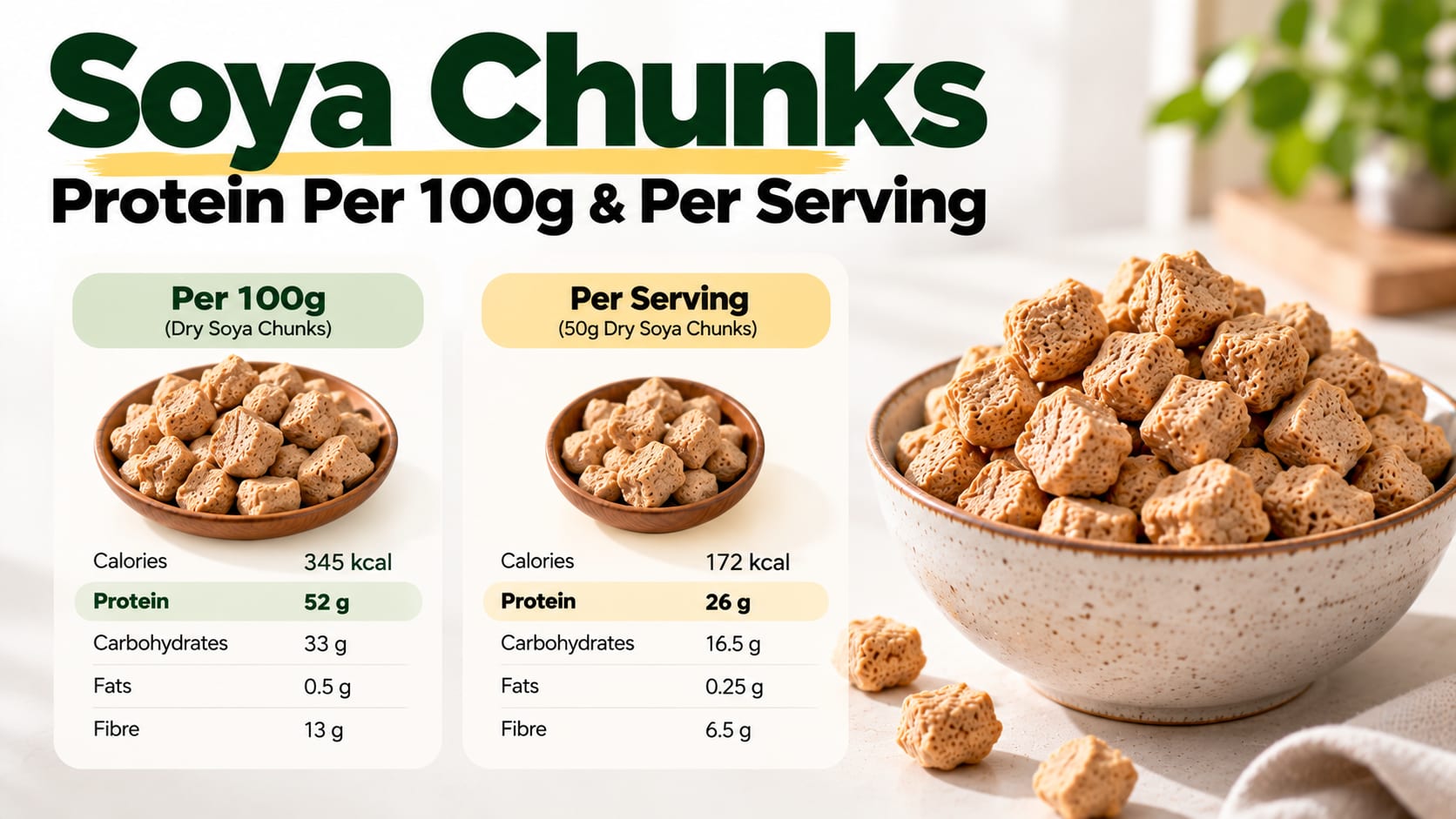
| 30 g soya chunk curry + 1 katori rice | ≈ 20 g | ≈ 330 kcal |
| 200 g hung curd + 1 banana | ≈ 19 g | ≈ 305 kcal |
| 1 scoop whey in 250 ml milk | ≈ 32 g | ≈ 300 kcal |
Vegetarian mornings are often low in protein — see high-protein vegetarian Indian breakfasts and curd vs milk for easy upgrades.
What about carbs?
For sessions longer than about an hour or very intense training, carbs 1–2 hours before help performance: a banana, poha, toast or a roti with your protein. After training, carbs refill muscle glycogen, which matters most if you train again within 24 hours. For a typical 45–60 minute gym session, your normal meals cover it.
Do you need a protein shake?
No. Whey is simply a convenient, well-studied protein source — useful when you can't get a proper meal after training or struggle to hit your target. It is not more “anabolic” than food. Read is whey protein safe if you're considering one.
Protein before bed
A 30–40 g dose of slow-digesting protein before sleep — milk, curd, paneer or casein — increases muscle protein synthesis overnight. It is a useful extra if you train in the evening or find it hard to fit enough protein into the day, not a requirement.
Where to go next: Timing only matters once training is consistent — follow a beginner 3-day gym workout plan, add progressive overload, and plan meals with the beginner gym diet plan.
Next step: Find your daily protein target with the protein calculator.
Explore the guide: For daily targets and food sources, see the protein guide, all foods ranked by protein, and the muscle building guide.
Key takeaways
- Protein before or after a workout gives similar results — daily total matters most.
- Aim for 20–40 g protein (0.3–0.4 g/kg) per meal, 3–5 times a day.
- If you train fasted, eat protein soon after; otherwise, there's no 30-minute deadline.
- Shakes are convenient, not essential; protein before bed is a useful extra.
This is educational information, not medical advice. Consult a qualified professional for personal health decisions.