

Kavya is 26 and a physiotherapy student in Chennai. She’s vegetarian, lifts three times a week, and her coach told her she’s getting about half the protein she needs. The obvious fix was a tub of whey.
Then the opinions arrived. Her aunt: “Protein powder spoils the kidneys.” A classmate: “All these powders have steroids.” Her gym friend: “It gave me pimples.” And a news story about fake supplements made her wonder whether any tub was safe at all.
Kavya is a composite of the questions we hear most. Some of these fears are myths. One of them — product quality in India — is very real. Let’s separate the two.
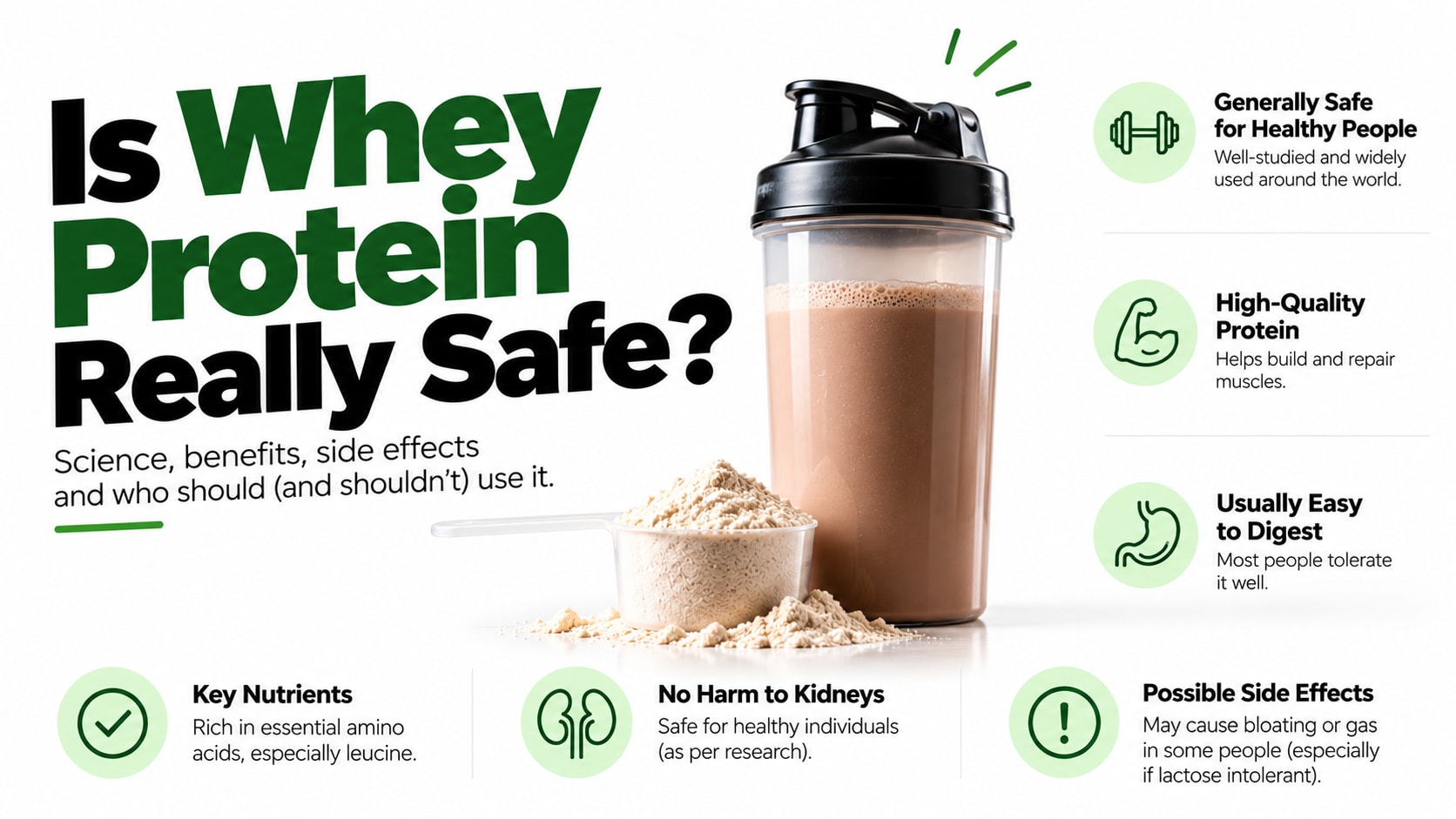
What whey protein actually is
If you’ve ever made paneer at home, you’ve made whey. When milk is curdled with lemon juice, it separates into solid curds (paneer) and a thin, greenish liquid. That liquid is whey. Milk protein is roughly 20% whey and 80% casein.
Whey protein powder is that liquid filtered and dried until most of the water, fat, and lactose are gone and mostly protein remains. It’s a food — not a drug, a hormone, or a steroid.
| Type | Protein | Lactose | Best for |
|---|---|---|---|
| Whey concentrate | ~70–80% | Some | Most people; usually cheapest |
| Whey isolate | ~90% or more | Very little | People who get bloated with milk |
| Hydrolysed whey | ~80–90% | Very little | Pre-digested; pricier, little extra benefit for most |
A typical 30 g scoop provides about 22–25 g of protein and 110–130 kcal — roughly the protein in 80 g of cooked chicken breast, or about 120 g of paneer.
Do you even need it?
No supplement is required. Most healthy adults need about 0.8 g of protein per kg of body weight a day, and people who train often do better with about 1.2–2.0 g/kg. Research on lifters shows protein supplements add to muscle and strength gains, with benefits levelling off around 1.6 g/kg a day of total protein. Food or powder both count. Find your number in how much protein you need per day.
Whey is simply convenient — especially for vegetarians, who often struggle to reach their target from dal and roti alone. If you can hit your number with food, you don’t need it. See the best high-protein Indian foods for ideas.
The myths, one by one
“Whey protein damages your kidneys”
In healthy people, there’s no good evidence of this. A 2018 meta-analysis compared adults eating higher-protein diets with those eating normal or lower amounts and found no difference in how kidney function changed. Healthy kidneys handle extra protein by filtering a little more, which is a normal response.
The important exception: if you already have kidney disease or reduced kidney function, high protein intake can be harmful, and you should follow your doctor’s advice on protein. Diabetes and long-term high blood pressure are common causes of hidden kidney damage in India, so if you have either, get a kidney check before adding protein supplements.
“It’s full of steroids”
Genuine whey protein contains no steroids or hormones. The real concern is contamination: some poor-quality or fake supplements, especially those claiming dramatic muscle gain, have been found to contain undeclared substances. That’s a product-quality problem, not a whey problem — and it’s the reason buying carefully matters.
“It damages your liver”
Whey itself isn’t known to harm a healthy liver. But in 2024, Indian researchers tested popular protein supplements sold in India. They found that many didn’t contain the protein their label claimed, some contained fungal toxins or pesticide residues, several contained heavy metals such as lead and arsenic, and some included herbal extracts that can be toxic to the liver, such as green tea extract and garcinia.
The lesson isn’t “avoid whey”. It’s “avoid complicated, herb-filled formulas and unknown brands”. A simple whey with one or two ingredients removes most of these risks.
“Whey causes acne”
This one has some truth. Dairy, and whey in particular, can stimulate hormones involved in acne. Doctors have reported teenage athletes whose acne flared after starting whey, and a 2024 case-control study found whey use was associated with acne in young men.
Not everyone is affected. If you notice new or worse breakouts after starting whey, try stopping it for 6–8 weeks, switch to a plant protein such as pea or soy, and speak with a dermatologist if acne persists.
“It causes bloating and gas”
Often true, and usually fixable. Whey concentrate contains some lactose, which many Indian adults digest poorly. Sweeteners and thickeners in flavoured powders can also upset the stomach. Try a whey isolate, an unflavoured product, a smaller scoop, or mixing it with water instead of milk.
Who should avoid whey or ask a doctor first
- People with kidney disease or reduced kidney function
- People with liver disease
- Anyone with a cow’s milk allergy (different from lactose intolerance)
- People with diabetes or long-standing high blood pressure who haven’t had a recent kidney check
- Pregnant or breastfeeding women — food first, supplements only with medical advice
- Anyone with moderate to severe acne that worsens on dairy
How to spot fake or poor-quality whey in India
You can’t test protein at home, but these checks remove most of the risk:
- Buy from the brand’s official website or an authorised seller. Very cheap listings on marketplaces are a common route for fakes.
- Check the FSSAI licence number, and for imported products, the importer’s details and an Indian label sticker.
- Read the ingredient list. The best products are short: whey protein (concentrate or isolate), maybe flavour, sweetener, and an emulsifier. Avoid “proprietary blends” and added herbs.
- Check protein per scoop. A 30 g scoop should have roughly 22–27 g of protein. Claims far above that are suspicious.
- Look for third-party testing and batch-verification codes or QR checks on the pack.
- Be wary of “mass gainers” and “fat burner” proteins — they’re the most likely to contain extras you didn’t ask for.
Home checks such as “it dissolves too easily” or “it foams” don’t reliably reveal fakes. Where you buy from matters far more.
How to take whey sensibly
- One scoop (about 20–25 g protein) a day is plenty for most people. Two at most if your diet is very low in protein.
- Timing is flexible. After a workout, with breakfast, or as a snack all work; total daily protein matters most. See protein before or after a workout.
- Mix it with water, milk, curd, or oats. Blending it into a banana smoothie or overnight oats works well.
- Keep eating real food. Whey fills a gap — it shouldn’t replace dal, paneer, eggs, curd, or meat.
- Drink water normally. There’s no need to force extra litres.
Food alternatives if you’d rather skip powder
| Food | Protein |
|---|---|
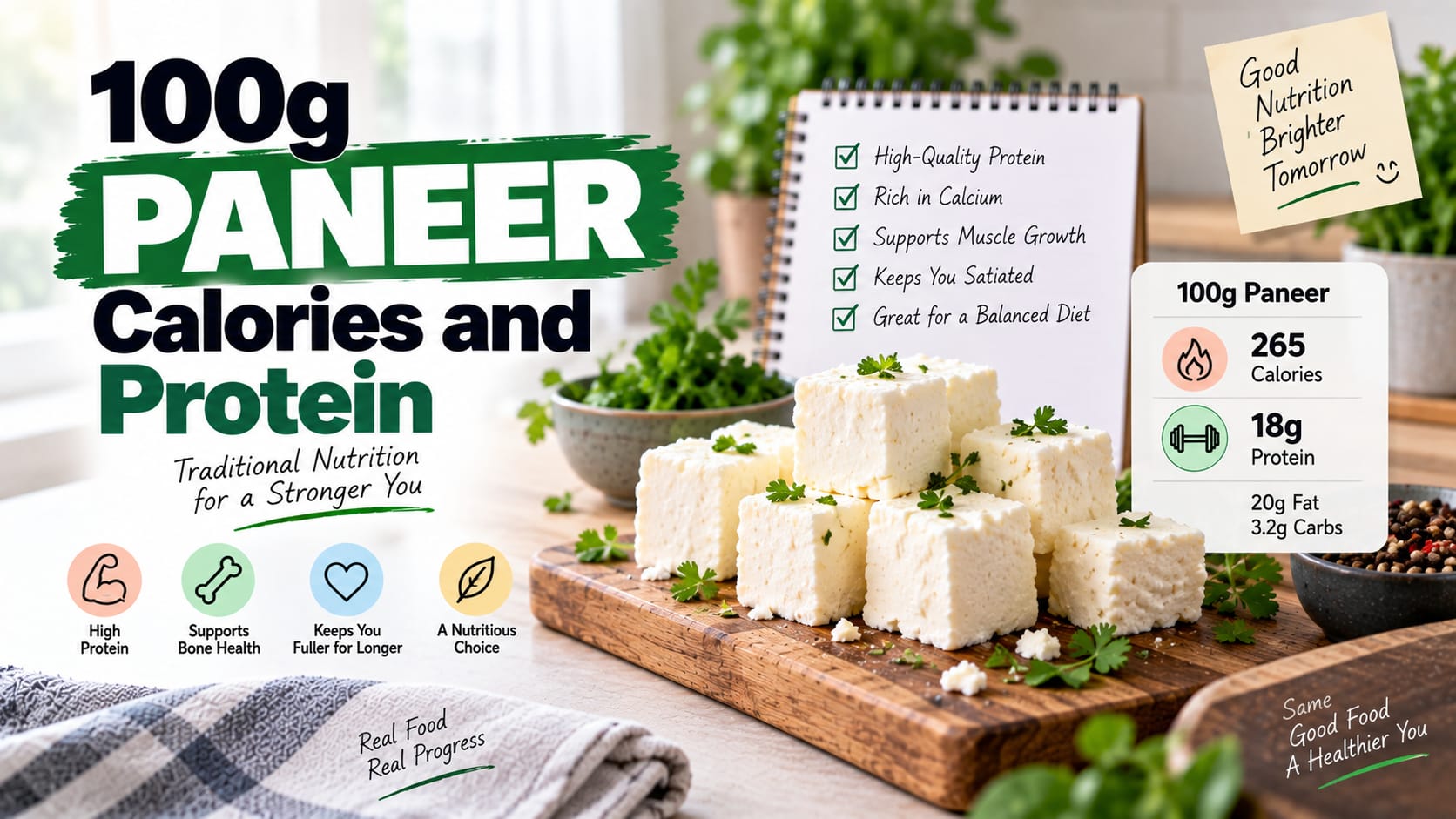
| 100 g paneer | ~18 g |
| 200 g Greek-style hung curd | ~16–20 g |
| 1 cup cooked dal or rajma (~200 g) | ~14–16 g |
| 100 g tofu | ~12–15 g |
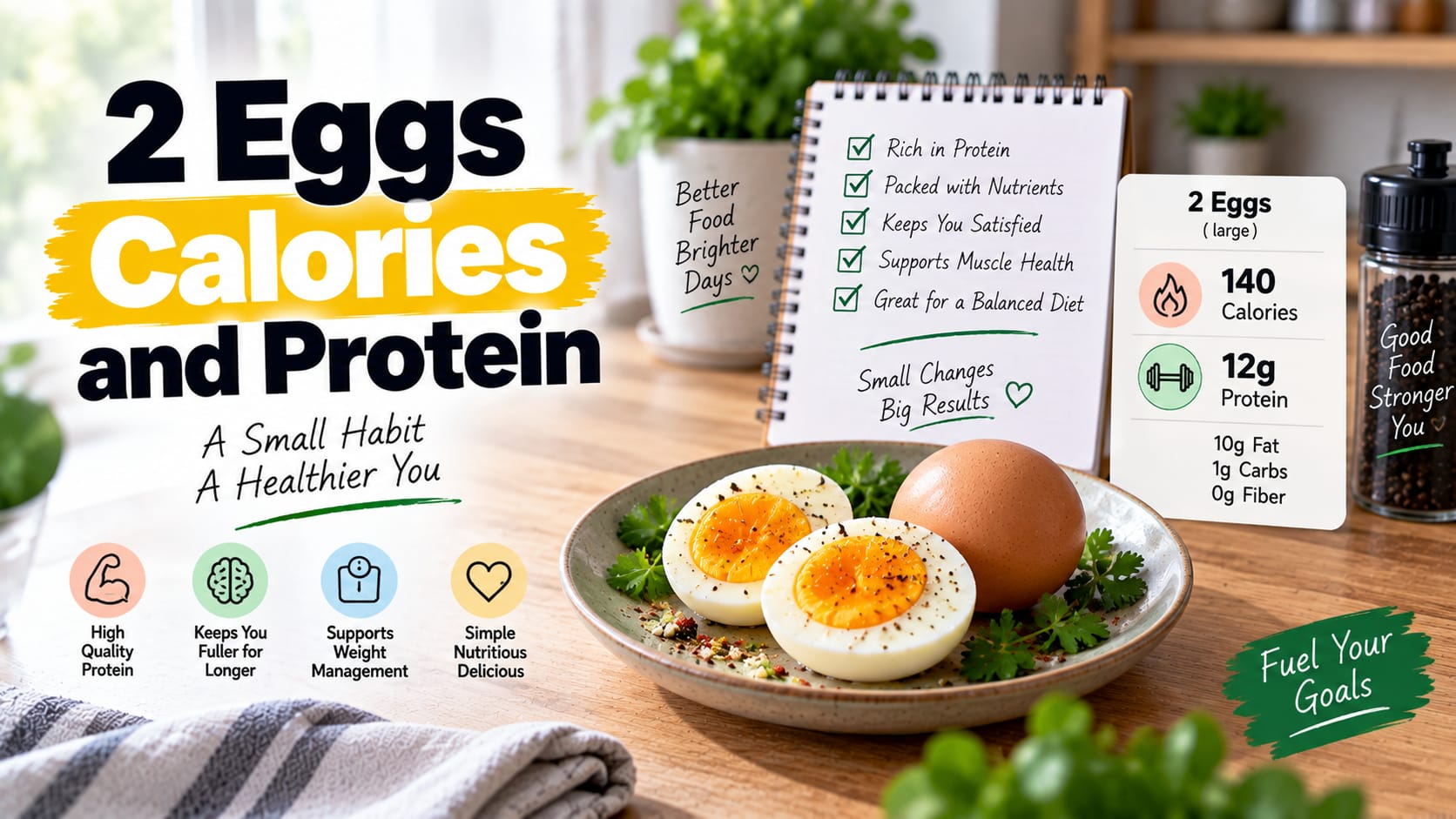
| 3 whole eggs | ~18 g |
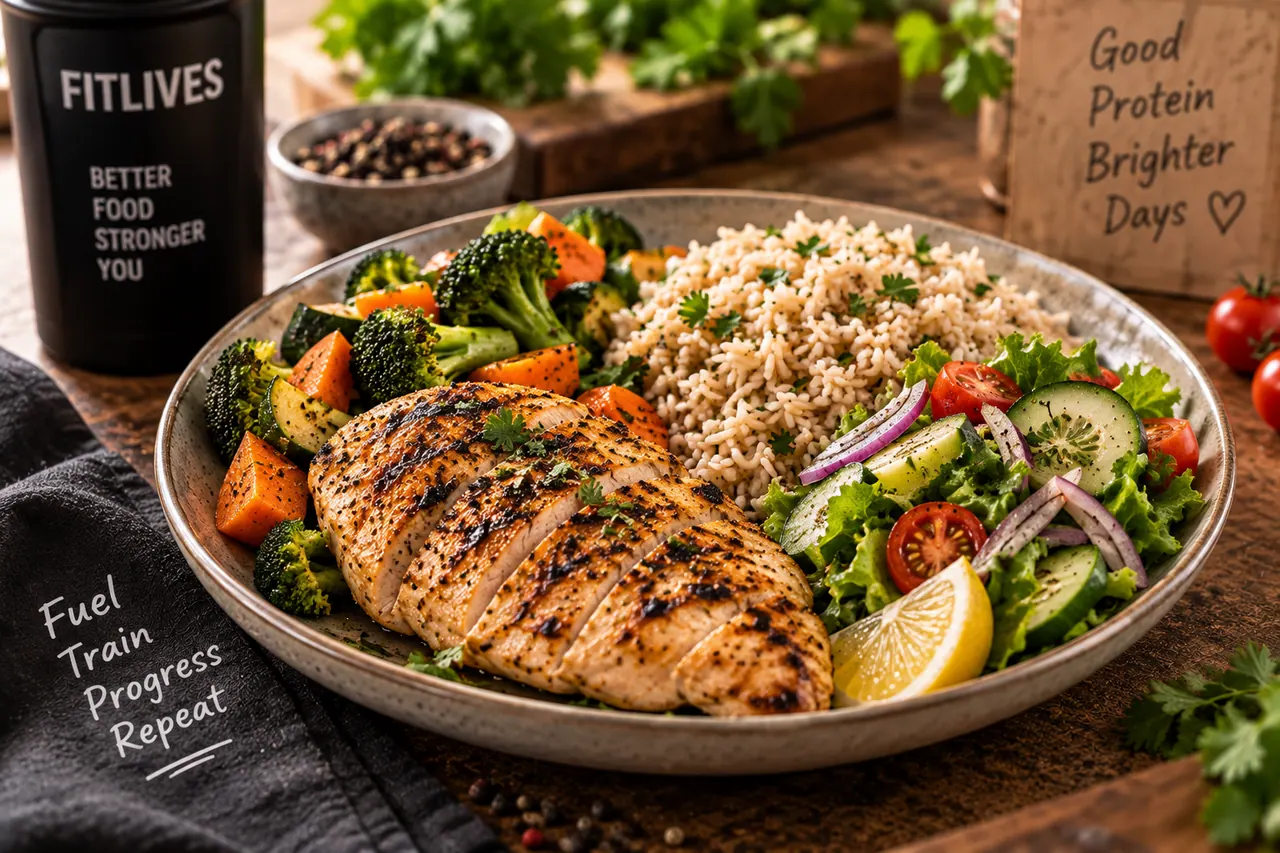
| 100 g chicken breast (cooked) | ~30 g |
| ½ cup roasted chana | ~10–12 g |
For exact numbers, see 100 g paneer calories and protein.
What happened to Kavya
Kavya showed her aunt that whey is the same liquid left after making paneer, and that the kidney concern applies to people who already have kidney disease. She chose a plain, unflavoured whey isolate from the brand’s own website and checked the FSSAI number.
She takes one scoop a day in her morning smoothie and added hung curd and tofu to her meals. Her protein went from about 45 g to about 85 g a day, her lifts climbed steadily, and — after a brief scare with a few pimples that settled — her skin stayed clear. If you’re also considering creatine, read is creatine safe.
Next step: Find out how much protein you need before buying any powder, with the protein calculator.
Key takeaways
- Whey is concentrated milk protein — the liquid left over when you make paneer — not a steroid or a drug.
- In healthy people, higher protein intake hasn’t been shown to damage the kidneys; people with kidney or liver disease should follow their doctor’s advice.
- India’s real problem is quality: mislabelled protein, contaminants, and hidden herbal extracts. Buy simple whey from authorised sellers.
- Bloating usually improves with whey isolate or smaller doses; stop it if it worsens acne.
- Whey is optional — it’s just a convenient way to close a protein gap.
Building muscle? Read how much protein you need to build muscle. This is educational information, not medical advice. Consult a qualified professional for personal health decisions.